Why Keys Snap and What Happens Inside the Lock
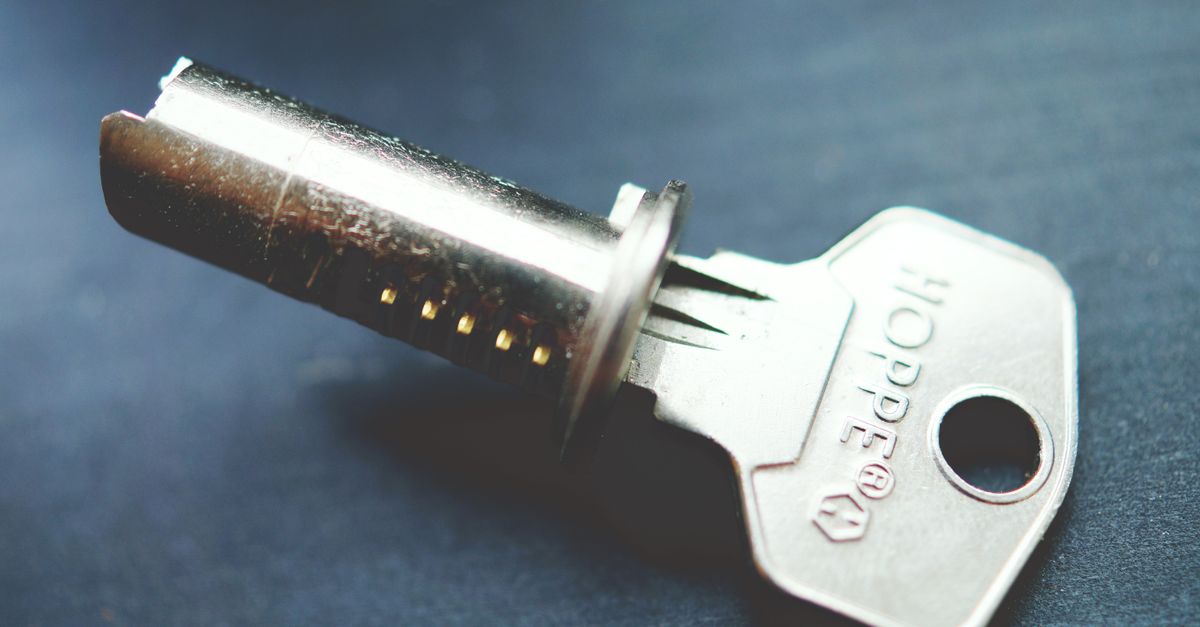
Keys are precision-cut metal blanks that endure hundreds of insertion and rotation cycles over their lifetime. Over time, stress concentrations form at the shoulder of the key or at the bow, particularly if the lock cylinder is dry, slightly misaligned, or worn. Attempting to force a stiff lock — common in older mortise lock hardware found throughout Tustin's mid-century commercial buildings and craftsman-era homes — is one of the leading causes of mid-cylinder fractures. Car keys, especially those with transponder heads, can also snap at the blade when the ignition cylinder develops resistance. Once the fragment is inside, the lock's internal warding and pin stacks can grip the broken piece tightly, making amateur removal attempts with pins or tweezers more likely to push the fragment deeper or score the cylinder walls.
Understanding the internal geometry of the affected lock type is essential before any extraction attempt. A mortise lock body sits recessed inside the door stile and houses a complex cartridge that controls both latch and deadbolt functions; damage to the cylinder during a clumsy extraction can render the entire mortise unit inoperable, requiring a full body replacement rather than a simple re-key. Door knob lock cylinders are more compact but equally sensitive. Our technicians assess the lock type, the fragment's depth and orientation, and the condition of the keyway before selecting the appropriate extraction tool — whether that is a hook pick, a spiral extractor, or a specialized broken key extractor set — ensuring the fastest path to a clean removal.