How Key Fob Reprogramming Actually Works — and Why It Fails
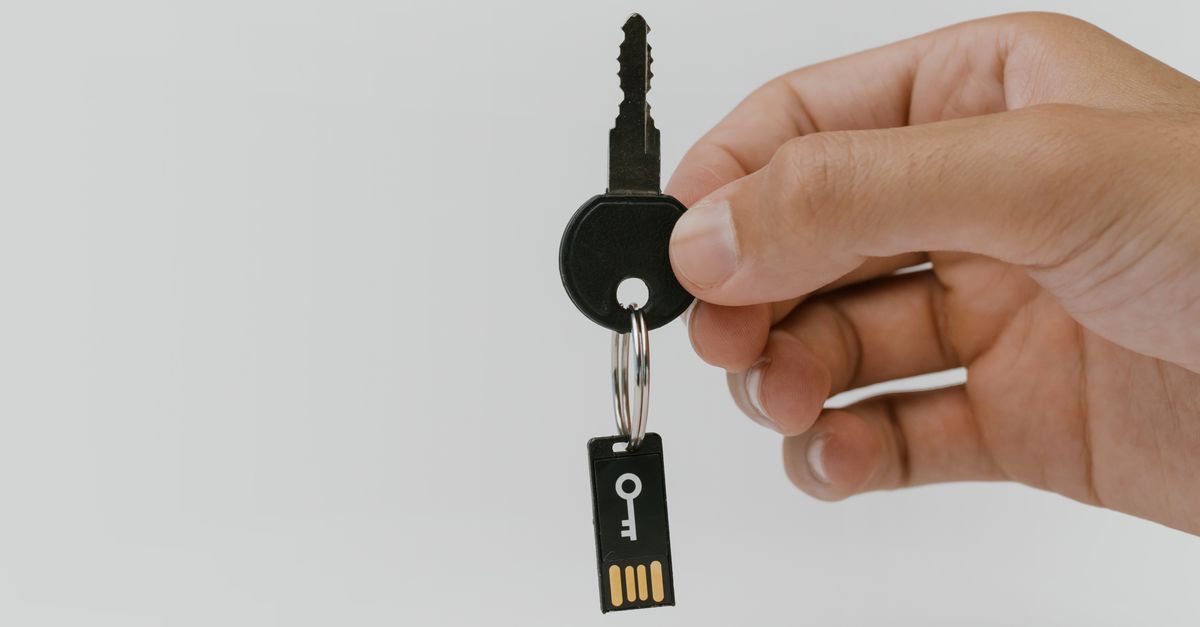
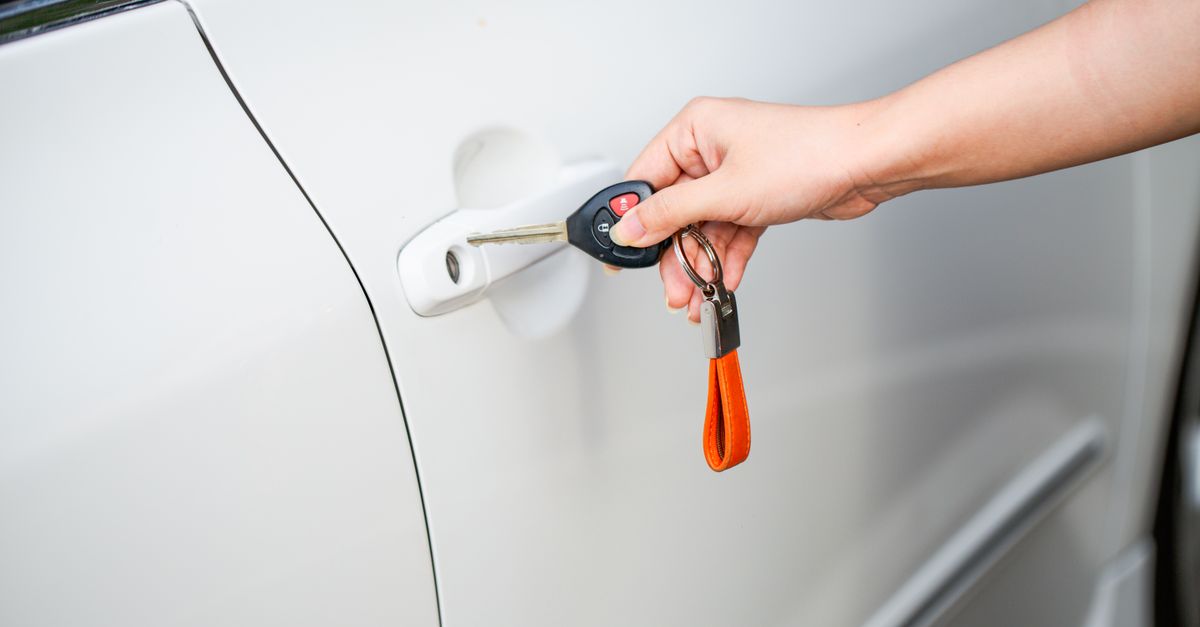
Modern vehicle remotes and smart keys communicate with your car's body control module or immobilizer system through a rolling-code or fixed-code radio frequency signal. Every time you press a button, the fob and the receiver exchange a handshake. When that handshake breaks — because of a dead battery that wiped the fob's memory, a replacement fob that was never paired, a software update that reset the module, or simple radio interference — the vehicle stops recognizing the remote entirely. Reprogramming re-establishes that pairing by placing the vehicle's module into a learning mode and writing a new code sequence to the fob's chip. For proximity smart keys and push-button ignition vehicles, the process is more involved: the transponder chip embedded in the key head must also be matched to the immobilizer, meaning both the remote function and the start authorization have to be programmed simultaneously.
Our trained technicians carry OEM-compatible programmers that cover a broad range of domestic and import makes — sedans, trucks, SUVs, and fleet vehicles alike. We also handle key fobs for keyless entry systems on certain residential and commercial gate setups. The key distinction between a fob that can be self-programmed using a button sequence from an owner's manual and one that requires professional-grade software is almost always the vehicle's year and security tier: newer vehicles with encrypted rolling codes nearly always require professional equipment. If you're unsure which category your vehicle falls into, call 657-571-2329 and one of our team members will walk you through it before we ever roll a truck.